Why KYC Verified Casinos Are the Smarter Choice for Indian Players
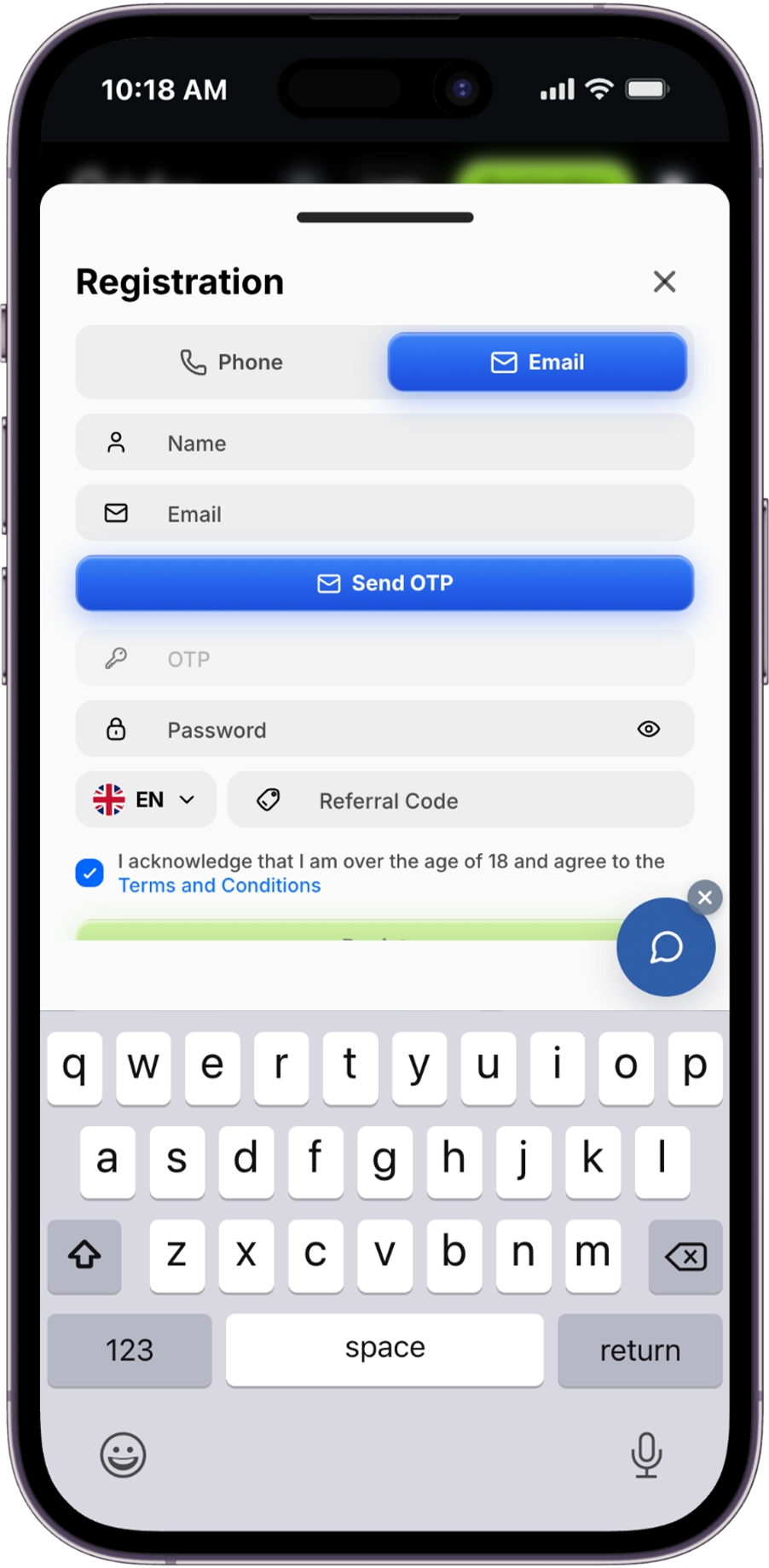
Every time I hear someone complain about a casino not paying out, the real story usually starts long before the withdrawal request was denied. The warning signs were there from the moment they signed up. The site asked for nothing more than a username and an email address. No ID, no address proof, no questions about where the money came from. That sort of frictionless registration might feel convenient at first, but it is also the single biggest red flag a player can ignore.
Over the years I have tested dozens of online casinos, and the ones that survive a serious audit are almost always the ones with proper identity checks. The term you hear most often in this space is KYC, short for Know Your Customer. It is not a technical gimmick. It is a financial compliance standard that forces the casino to verify who you are before you can play with real money. And for Indian players especially, understanding what makes a casino KYC compliant can save you a lot of frustration. KYC verified casinos
What KYC Actually Means for a Casino
KYC is the process by which a casino collects and checks your government-issued ID, your proof of address, and sometimes a recent utility bill or a selfie holding your ID. The casino keeps this data on file, encrypted under strict data protection rules, and uses it to confirm that you are who you claim to be. This is not about invading your privacy. It is about making sure the same person who deposits the money is the same person who withdraws it.
When a casino is KYC verified, it means an external auditor or a licensing body like the Malta Gaming Authority or the Curacao eGaming authority has reviewed its compliance procedures and confirmed they meet the required standard. That verification is not a one-time sticker. It gets checked every renewal cycle, and if the casino falls short, it risks losing its licence. That is the kind of pressure that keeps a casino honest.
Why Indian Players Need to Care
India does not have a centralised online gambling regulator the way the UK has the Gambling Commission or Malta has the MGA. What we have instead is a patchwork of state-level laws and a lot of offshore casinos happy to accept Indian rupees without asking too many questions. Those are the sites that give the industry a bad name. They promise fast withdrawals and generous casino bonuses, but when you try to cash out a decent win, the excuses start. Your account needs "additional verification." Your withdrawal is "under review." The limits are suddenly lower than they appeared on the signup page.
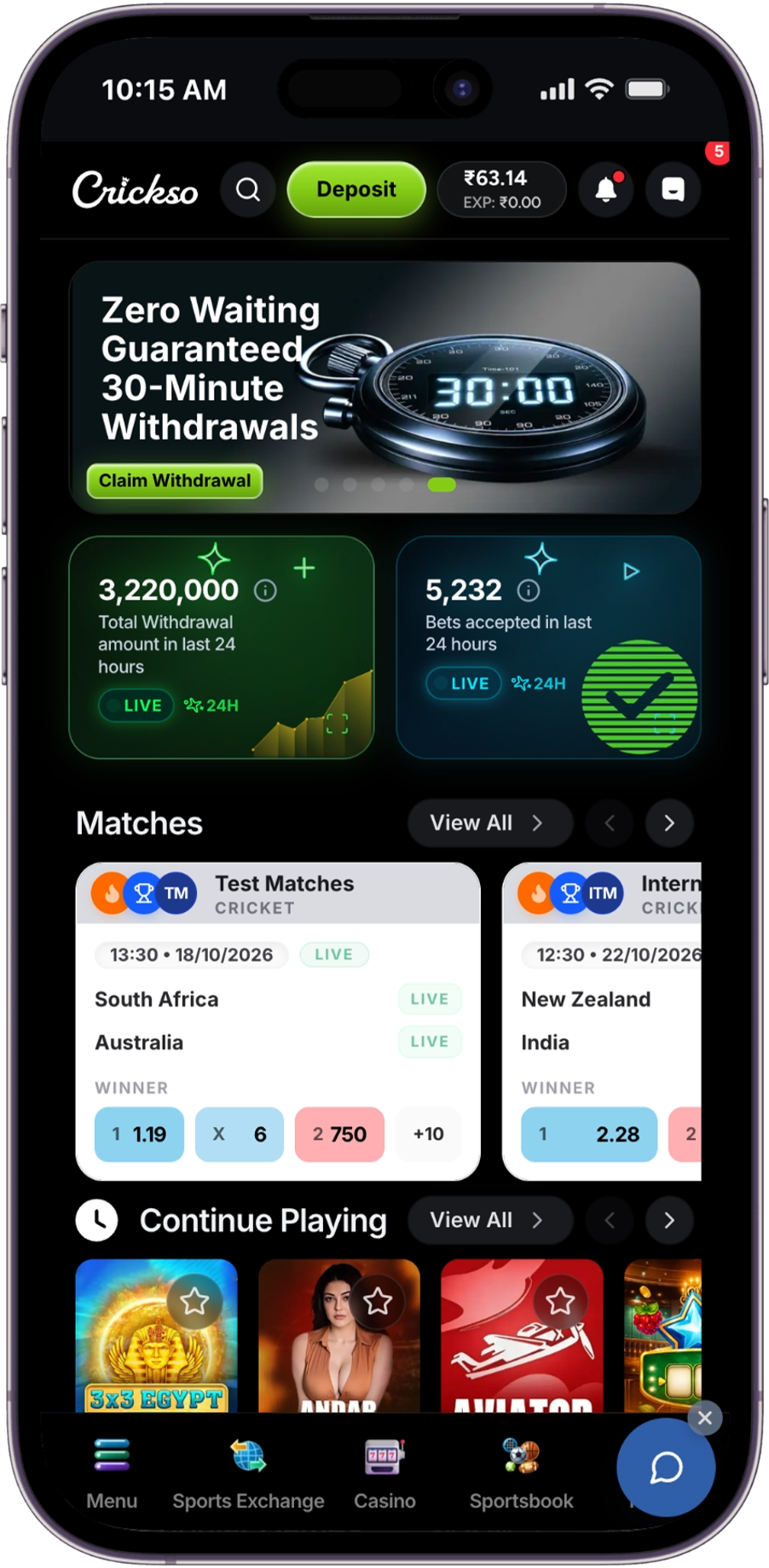
A properly run casino with full KYC procedures does not operate that way. It verifies you upfront, sets your withdrawal limits based on your verified status, and lets you move money out without a fight. The difference is night and day. I have seen players wait weeks for a payout from a non-KYC site, while a KYC verified casino processes the same request in under 24 hours.
The Security Layer Behind KYC
KYC does not exist in a vacuum. It sits inside a broader compliance framework that also includes AML, or Anti-Money Laundering checks. When a casino runs an AML scan on your deposit, it cross-references your name against sanctions lists and politically exposed persons databases. If something looks off, the casino is legally required to file a report. That might sound heavy, but for a regular player it means the casino takes financial crime seriously, and that is good for everyone.
The technical side matters too. A KYC verified casino will almost always support two-factor authentication on your account. It will use SSL encryption to protect every page where your personal data is entered. And it will store your documents in a way that complies with PCI DSS if you ever deposit via card. These are not marketing buzzwords. They are the actual security measures that prevent your identity from being stolen or your account from being hijacked.
Fair Play and the RNG Question
One of the most common doubts I hear from Indian players is whether the games are rigged. It is a fair question. If a casino controls the random number generator, it can tilt the house edge however it likes. That is why independent fair play certification exists. Bodies like eCOGRA or the Malta Gaming Authority require casinos to submit their RNG algorithms for testing. A certified casino publishes its RTP, or return to player percentage, for each game, and that figure is audited regularly.
When you play at a site that is provably fair, the RTP is not a guess. It is a verified number backed by real testing. I have seen slots with an RTP of 96% on MGA-licensed sites, and the casino cannot change that number without the regulator knowing. That is the level of transparency you want. A KYC verified casino nearly always carries one of these certifications, because the same regulators that demand identity checks also demand game fairness.
What to Look for When Choosing a Casino
If you are an Indian player trying to separate the good casinos from the bad, start with the licence. Check which authority issued it. Curacao and Malta are two of the most common licensing jurisdictions for offshore casinos that accept Indian players. The Malta Gaming Authority is considered one of the tougher regulators in the industry. A licence from them means the casino has passed strict financial and operational checks.
Next, look at the withdrawal policy. A reputable site will publish its withdrawal limits clearly. It will not hide them in the terms and conditions. It will also process withdrawals within a stated timeframe, usually 24 to 48 hours for e-wallets and a bit longer for bank transfers. Fast withdrawals are a hallmark of a well-run operation.
Then check the bonus terms. Casino bonuses are a great way to stretch your bankroll, but only if the wagering requirements are reasonable. A 40x playthrough requirement on a small deposit is not a bonus, it is a trap. A fair casino gives you reasonable turnover conditions and lets you withdraw winnings from the bonus after meeting them.
Finally, confirm that the site promotes responsible gambling. Look for deposit limits, session timers, and self-exclusion tools. A casino that cares about player welfare will have these features built in, not bolted on as an afterthought.
Safe Deposits and Responsible Gaming
The phrase safe deposits gets thrown around a lot, but it means something concrete. It means your money is held in a segregated account, separate from the casino's operating funds. If the casino goes under, your deposits are protected. That is standard practice for licensed casinos, but you rarely see it on unregulated sites. Combined with proper KYC, it gives you a level of protection that is hard to beat.
Responsible gambling is not just a slogan. It is a set of practices that good casinos implement because they want you to come back. They know that a player who loses everything in one session is not a repeat customer. So they build in cooling-off periods, loss limits, and reality checks. A KYC verified casino, because it knows who you are, can actually enforce those limits fairly. An anonymous casino cannot.
At the end of the day, choosing a KYC verified casino is not about making your life harder. It is about making your gambling experience safer, faster, and more transparent. The extra few minutes you spend uploading your ID and proof of address are the same minutes that guarantee your withdrawals are not delayed, your data is not stolen, and the games you play are actually fair. That is a trade-off worth making every single time.